
SHERG Magazine
NATIONAL DIABETES AWARENESS MONTH
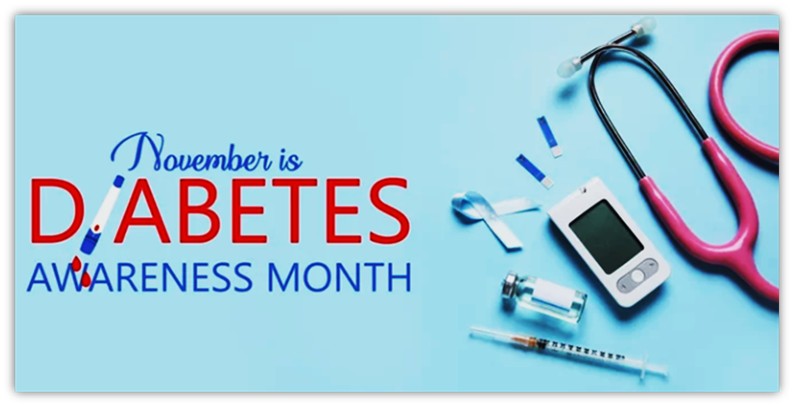
National Diabetes Awareness Month is observed every November to raise awareness about diabetes prevention and management. It’s a time to get educated about the different types of diabetes—type 1, type 2, and gestational diabetes—and the importance of early detection and healthy lifestyle choices.
This initiative aims to educate the public about diabetes, its risk factors, and management strategies.
Important points to know:
- Prevalence: Diabetes is a significant health concern in South Africa, affecting millions of people.
- Awareness: The goal of Diabetes Awareness Month is to increase public awareness of diabetes, its symptoms, and risk factors.
- Prevention: Encouraging healthy lifestyle choices, such as regular exercise, a balanced diet, and maintaining a healthy weight, is crucial for preventing type 2 diabetes.
- Management: Promoting early diagnosis and effective diabetes management can help individuals with the condition live healthier lives and reduce the risk of complications.
How can I get more involved?
- Learn More: Educate yourself about diabetes by reading reliable sources and attending workshops or seminars.
- Spread Awareness: Share information about diabetes with your friends, family, and community.
- Support Others: Offer support and encouragement to people living with diabetes.
- Make Healthy Choices: Prioritize a healthy lifestyle to reduce your risk of developing diabetes.
- Get Screened: Regular health check-ups can help detect diabetes early.
Remember, diabetes is a serious health condition, but it can be managed with proper care and lifestyle changes. By raising awareness and taking action, we can help prevent diabetes and improve the lives of those affected.
Symptoms of Diabetes
Diabetes, a chronic condition affecting how your body turns food into energy, can present itself with various symptoms.
Some common signs of diabetics:
- Frequent Urination: You may find yourself needing to urinate more often, especially at night.
- Increased Thirst: Excessive thirst, even after drinking fluids, is a common symptom.
- Extreme Hunger: Despite eating, you may feel constantly hungry.
- Unexplained Weight Loss: Significant weight loss without intentional dieting can be a sign.
- Blurred Vision: Fluctuating blood sugar levels can affect your vision.
- Fatigue: Feeling tired and lacking energy is common.
- Slow-Healing Sores: Cuts and wounds may take longer to heal.
- Increased Infections: You may experience more frequent infections, such as skin or urinary tract infections.
- Numbness or Tingling: Particularly in the hands and feet.
Types of Diabetes and Treatment
There are primarily two main types of diabetes:
Type 1 Diabetes
- Autoimmune Condition: The body’s immune system attacks the cells in the pancreas that produce insulin.
- Treatment: Insulin therapy is essential to manage blood sugar levels.
Type 2 Diabetes
- Lifestyle and genetic factors: The body becomes resistant to insulin or doesn’t produce enough insulin (Insulin Resistance): The body becomes resistant to insulin, leading to high blood sugar levels.
- Treatment: Often involves a combination of lifestyle changes (diet, exercise) and medications. In some cases, insulin therapy may be necessary.
Treatment for Diabetes:
The goal of diabetes treatment is to manage blood sugar levels and prevent complications. Here are some common treatment approaches:
- Medication: Oral medications, insulin injections, or insulin pumps can help regulate blood sugar levels.
- Healthy Diet: A balanced diet low in carbohydrates and sugars can help control blood sugar levels.
- Regular Exercise: Physical activity helps improve insulin sensitivity and lowers blood sugar levels.
- Regular Monitoring: Checking blood sugar levels regularly helps in making adjustments to treatment plans.
Note: It’s crucial to work closely with your healthcare provider to develop an individualized treatment plan. Regular check-ups and monitoring are essential to manage diabetes effectively and prevent complications.